



Many families approach recovery the same way they approach a crisis: with urgency, expectation, and a clear image of what “fixed” should look like. Sobriety. Stability. A return to normal. The faster, the better.
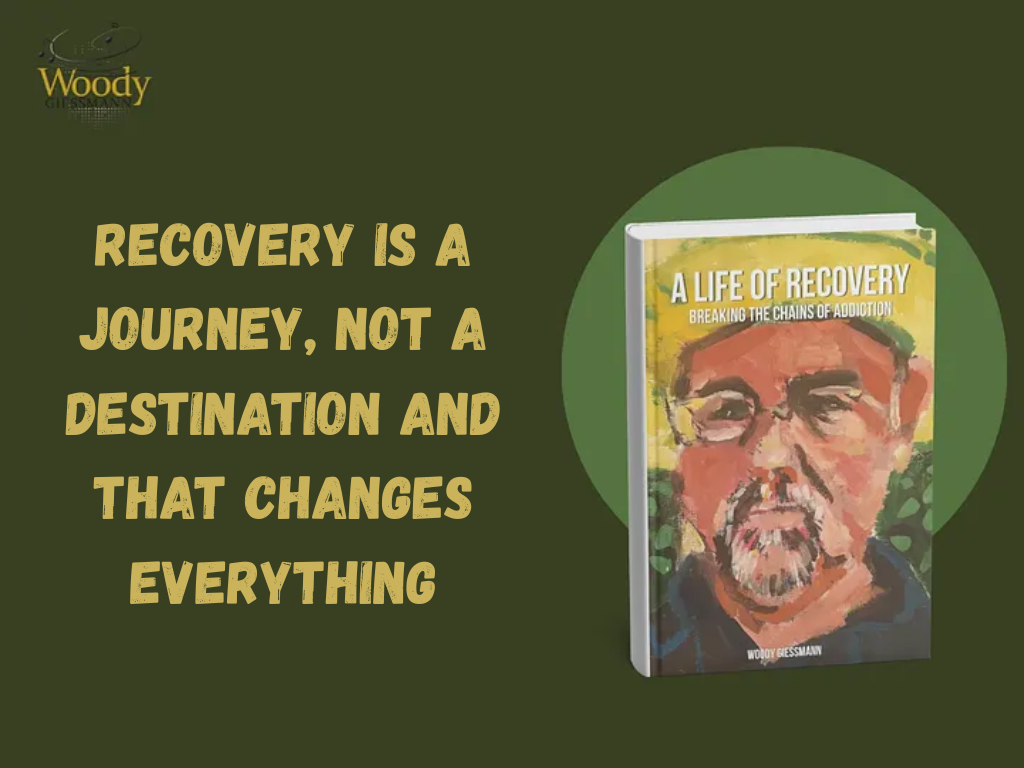
In A Life of Recovery – Breaking the Chains of Addiction, this idea is gently but firmly challenged. Recovery, the book reminds readers, is not a destination. It is a journey—one that unfolds over time, with pauses, detours, setbacks, and moments of growth that are easy to miss if you’re only looking for an endpoint.
Understanding this truth changes how families experience everything that follows.
Why the Destination Mindset Fails Families
When recovery is treated as a finish line, every delay feels like failure. Every setback feels catastrophic. Families watch closely, waiting for proof that things are “better.” When that proof doesn’t arrive on schedule, hope collapses into panic.
The book recognizes how painful this cycle is. Families invest emotionally in recovery, often pinning their sense of safety on outcomes they cannot control. When recovery doesn’t unfold neatly, self-blame and despair take over.
This mindset turns recovery into a test—one that no one can pass perfectly.
Recovery as Ongoing Practice
A Life of Recovery offers a different framework. Recovery is described as a daily practice shaped by honesty, open-mindedness, and willingness. These principles apply not just to individuals struggling with addiction, but to families learning how to live differently after years of chaos.
Recovery is not about never struggling again. It is about developing healthier ways to respond when struggle appears.
This shift removes the pressure to perform and replaces it with permission to learn.
What Progress Really Looks Like
Progress in recovery is often subtle. It shows up as increased honesty, greater self-awareness, or a willingness to ask for help. It may look like a difficult conversation that didn’t happen before, or a boundary that was finally respected.
Families accustomed to crisis may overlook these signs because they don’t match expectations of dramatic change. The book encourages readers to notice these quieter forms of growth.
Recovery is happening even when life is still messy.
Letting Go of “Normal”
One of the most liberating ideas in the book is the invitation to let go of returning to “normal.” Normal often refers to a past that no longer exists—or never truly did.
Recovery is not about reclaiming who someone used to be. It is about becoming someone new, with greater awareness and resilience.
Families, too, are changed by addiction. Pretending otherwise keeps them stuck. Acknowledging change allows them to rebuild with intention.
Staying Engaged Without Burning Out
When recovery is understood as a journey, families stop sprinting toward an imagined finish line. They pace themselves. They seek support. They rest when needed.
This perspective protects families from burnout. It allows them to stay engaged without sacrificing their own health.
The book emphasizes that sustainability matters more than speed. Long-term healing requires patience and structure, not urgency driven by fear.
Recovery Belongs to Everyone
A defining strength of A Life of Recovery is its insistence that recovery is not reserved for one person. Families need recovery too.
Parents, siblings, and partners have been shaped by years of stress and uncertainty. Their healing is not secondary—it is essential.
When families embrace recovery as a shared journey, relationships begin to stabilize. Communication improves. Trust is rebuilt slowly, without pressure.
Hope Without Illusion
The book does not promise certainty. It does not guarantee outcomes. What it offers instead is realistic hope—hope grounded in understanding rather than illusion.
Recovery is possible, but it is not linear. It requires commitment, humility, and support. When families accept this, they stop measuring progress by perfection and start recognizing growth where it actually exists.
A Journey Worth Taking
By the final pages, A Life of Recovery leaves readers with a powerful reframing: recovery is not about arriving somewhere else. It is about learning how to live differently right where you are.
This truth does not erase pain, but it makes it bearable. It gives families permission to breathe, to adjust expectations, and to move forward without constantly fearing failure.
Recovery is not a destination waiting at the end of the road. It is the road itself.
And once families understand that, everything changes.