



Most parents don’t realize they’re living with addiction at first. They sense something is wrong, but the word itself feels too heavy, too final, too frightening to say out loud. Instead, families reach for softer explanations—stress, rebellion, depression, burnout, bad influences. Anything that preserves hope without forcing confrontation.
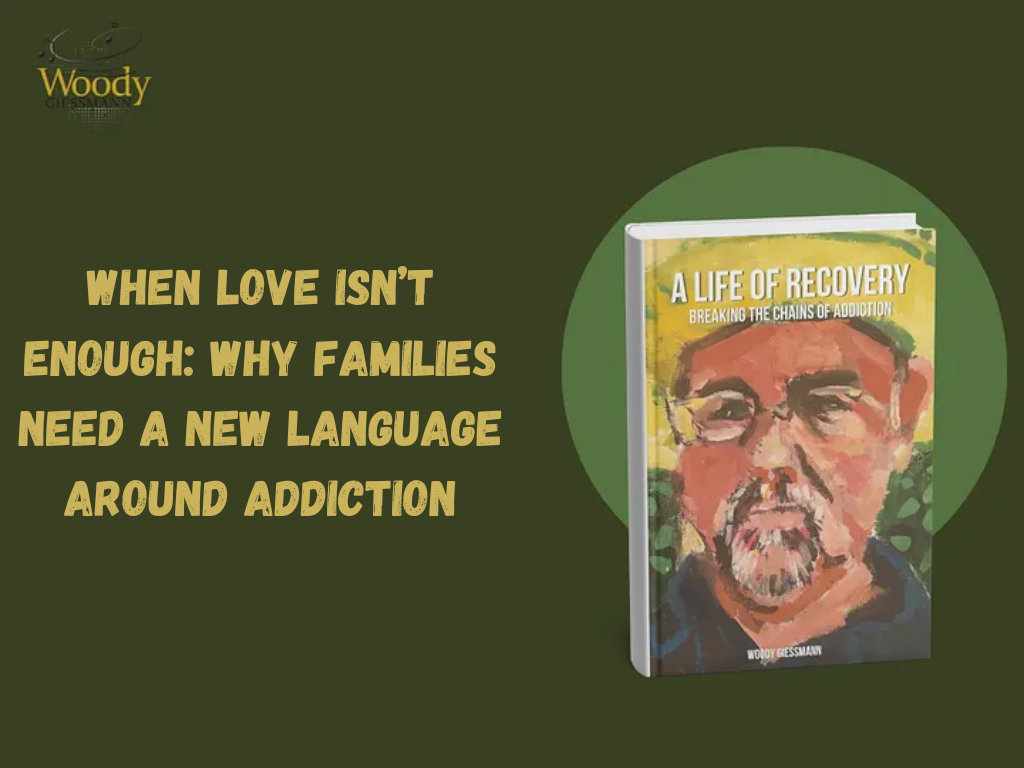
In A Life of Recovery – Breaking the Chains of Addiction, that moment of avoidance is treated with compassion rather than criticism. The book understands something many families learn the hard way: love alone does not protect people from addiction, and silence does not make it disappear.
What addiction does best is disguise itself. It hides inside routines. It blends into family systems. It convinces parents they just need to try harder, say less, give more, or wait longer. Over time, this effort becomes exhausting. Fear replaces trust. Conversations become landmines. Everyone is walking on eggshells, trying not to make things worse.
And yet, nothing really gets better.
Website: https://woodygiessmannbooks.com
The Invisible Weight Families Carry
One of the most powerful ideas in A Life of Recovery is that addiction doesn’t just affect the person using substances—it reshapes everyone around them. Parents begin managing moods. Siblings adapt by staying quiet or staying away. Normal family life slowly reorganizes itself around the problem.
What’s dangerous about this process is how normal it starts to feel.
Parents often don’t recognize how deeply addiction has affected them until they’re emotionally depleted. Sleep is disrupted. Anxiety becomes constant. Guilt settles in. Many begin asking themselves the same quiet questions: Did I cause this? Am I failing? What am I doing wrong?
The book challenges this internal narrative gently but firmly. Addiction is not a parenting failure. It is a complex condition rooted in trauma, mental health, and unmet emotional needs. Blame does not produce clarity. Understanding does.
Why “Trying Harder” Doesn’t Work
Families are often praised for perseverance. For not giving up. For standing by their loved one no matter what. But A Life of Recovery introduces a difficult truth: effort without boundaries often sustains addiction rather than interrupts it.
When parents work harder than the person who is struggling, responsibility quietly shifts. Over time, families begin absorbing consequences that were never theirs to carry. This is not because they are weak—it is because they care.
The book reframes boundaries as acts of love rather than punishment. Boundaries are not ultimatums. They are statements of truth. They define what a family can live with and what it cannot.
This shift is uncomfortable. Many parents fear that setting limits means abandonment. The book offers reassurance: stepping back is not giving up—it is restoring balance.
Addiction Is Not a Moral Failure
One of the clearest messages throughout the book is the rejection of stigma. People with addiction are not bad people. They are sick people who need help. Most already know they are not doing well. Shame does not motivate recovery—it deepens isolation.
By removing moral judgment, families gain something powerful: the ability to respond instead of react. Conversations change. Control loosens. Fear begins to soften.
This does not mean minimizing harm. It means addressing the real problem instead of fighting symptoms.
Recovery Belongs to the Family Too
Perhaps the most unexpected insight in A Life of Recovery is this: families need recovery just as much as the person using substances.
Years of crisis leave marks—emotionally, mentally, and physically. Parents often lose themselves in the process of trying to save someone else. The book encourages caregivers to examine how addiction has affected their own well-being, not as an act of selfishness, but as an essential step toward healing.
When families reclaim balance, something shifts. The household stops revolving around fear. Space opens for accountability, dignity, and genuine connection.
A New Starting Point
This book does not promise easy answers. It does not offer formulas or guarantees. What it offers instead is language—language that helps families name what they are experiencing without shame.
It reminds readers that homes are not treatment centers, and parents are not addiction specialists. Help is not a sign of failure—it is a sign of clarity.
Most importantly, A Life of Recovery reassures families that they are not alone, and they never have been. Recovery is not a destination. It is a process shaped by honesty, open-mindedness, and willingness.
For families standing at the edge of exhaustion, that message alone can be life-changing.