



One of the biggest myths surrounding addiction is that it is an individual problem. One person uses substances, so one person must fix it. Families absorb this idea quickly and quietly. Parents focus all their energy on their child. Partners try to manage the chaos. Siblings adapt by disappearing.
And yet, nothing really improves.
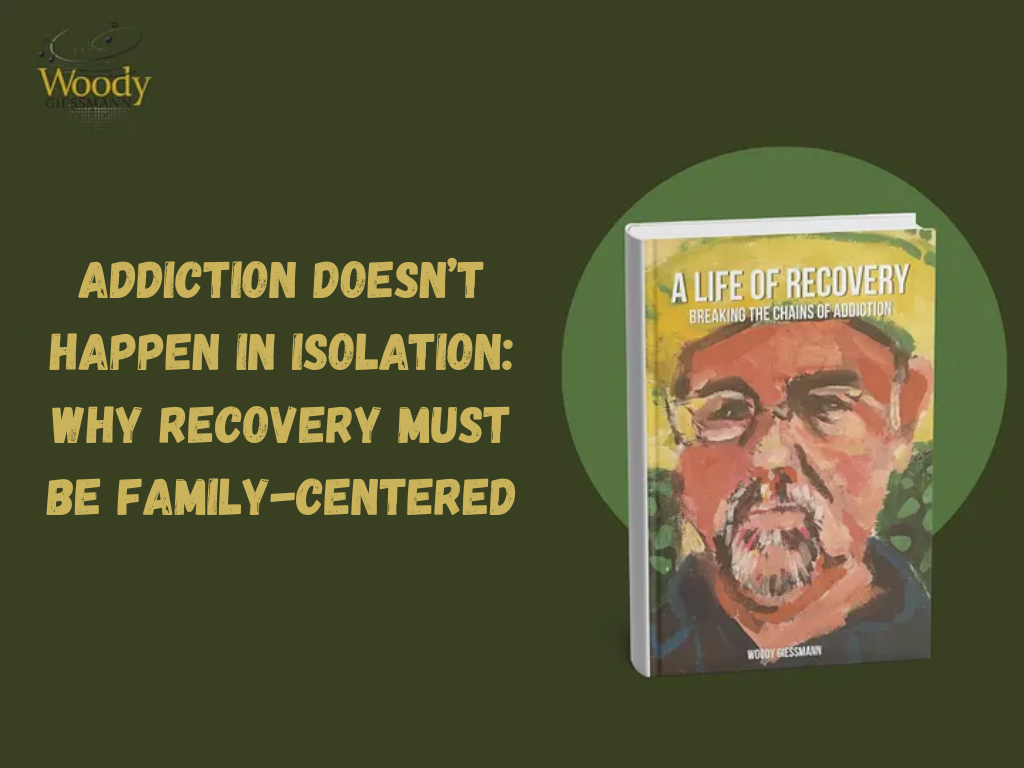
A Life of Recovery – Breaking the Chains of Addiction challenges this narrative at its foundation. Addiction, the book argues, is never contained within a single person. It reshapes entire family systems, often without anyone realizing it is happening.
Recovery, therefore, cannot be isolated either.
Website: https://woodygiessmannbooks.com
How Families Become Part of the System
When addiction enters a home, roles shift. Parents become monitors. Children become caregivers. Normal conversations disappear, replaced by negotiation, avoidance, or conflict. Everyone learns how to survive the next crisis.
These changes happen slowly. There is rarely a single moment when a family says, This is addiction. Instead, there are years of adjustment—each one justified by love, fear, or hope.
The book does not blame families for these adaptations. It recognizes them as survival strategies. But survival is not the same as healing.
Over time, these patterns create exhaustion. Families begin to feel trapped, cycling between fear and frustration. They may seek help repeatedly, only to feel overwhelmed by conflicting advice or complicated systems of care.
Why Focusing on One Person Isn’t Enough
One of the most important insights in A Life of Recovery is that families often work harder than the person who is struggling. They research programs, manage finances, repair relationships, and absorb consequences.
While this effort comes from love, it unintentionally removes responsibility from where it needs to be. The book emphasizes a difficult but necessary truth: people change when they are allowed to experience the impact of their choices.
This is not abandonment. It is clarity.
By shifting responsibility back to the individual, families stop carrying burdens that were never theirs. This shift opens the door for genuine engagement with recovery rather than endless crisis management.
Recovery Requires Structure, Not Control
Families often believe that control equals safety. If they just say the right thing, check often enough, or intervene quickly, they can prevent disaster. The book gently dismantles this belief.
Control creates resistance. Structure creates safety.
Family-centered recovery focuses on clear expectations, consistent boundaries, and appropriate professional support. Parents are encouraged to step out of the role of enforcer and into the role of supporter—while allowing treatment professionals to do their job.
This approach reduces conflict and restores dignity on all sides. It also helps families reconnect with one another in healthier ways.
The Importance of Professional Support
A Life of Recovery is clear about one thing: addiction rarely exists alone. Depression, anxiety, trauma, and other mental health conditions often coexist. When these issues go untreated, recovery becomes unstable.
Families are encouraged to seek comprehensive assessment and treatment rather than relying on guesswork or hope. This includes understanding the level of care required and recognizing when outpatient support is not enough.
By framing treatment as a collaborative process rather than a punishment, the book helps families move forward with less fear and more confidence.
Healing the Family While Supporting the Individual
One of the most powerful messages in the book is that families deserve healing too. Years of living in crisis leave emotional scars. Anxiety, guilt, and resentment often go unspoken, creating distance even among those who love one another deeply.
Family-centered recovery creates space for everyone to heal. Parents learn to identify their own emotional needs. Siblings regain their voices. Relationships begin to stabilize.
This does not mean waiting for perfect sobriety. It means addressing damage as it exists now.
A More Humane Model of Recovery
At its heart, A Life of Recovery offers a humane model of recovery—one that values honesty over perfection and connection over control. Addiction is not minimized, but neither is it sensationalized.
People struggling with addiction are not framed as villains or victims. They are human beings navigating pain. Families are not portrayed as broken. They are overwhelmed.
By reframing recovery as a shared process, the book offers something many families have been searching for: a way forward that does not require sacrificing themselves in the process.
Recovery does not belong to one person. It belongs to the system that surrounds them.