



For many families, addiction is not explosive. It is quiet. It settles into the background of daily life, slowly altering how people speak, react, and relate to one another. There may be arguments, but more often there is avoidance. Conversations are shortened. Expectations are lowered. Everyone adapts.
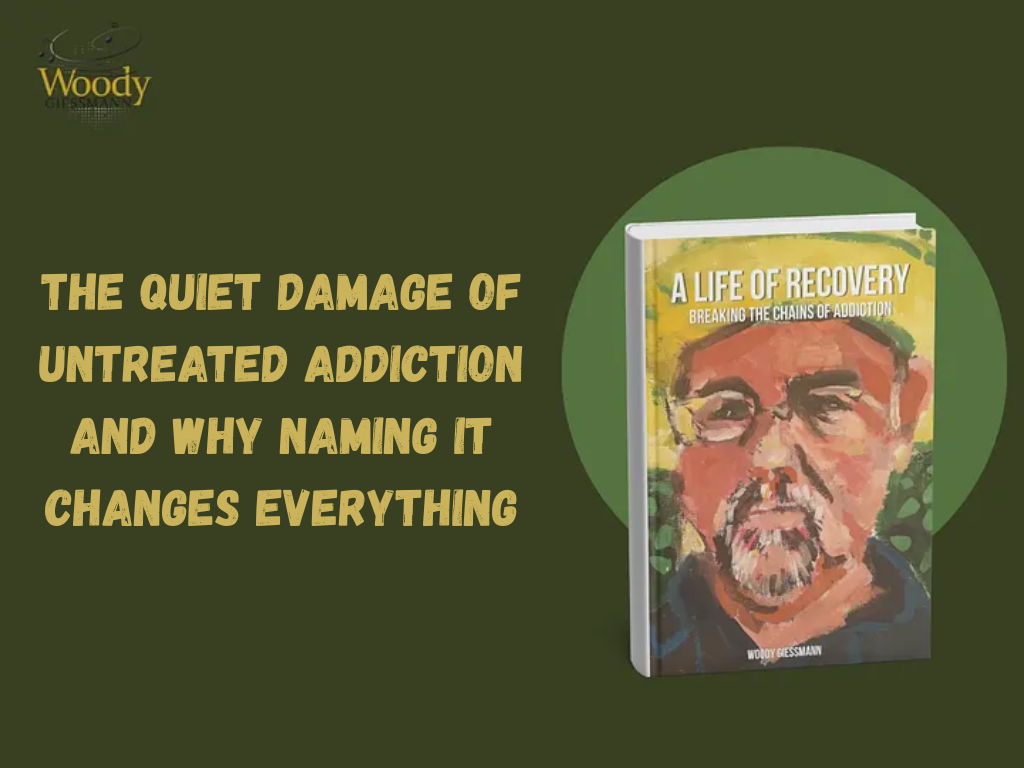
In A Life of Recovery – Breaking the Chains of Addiction, this quiet damage is given careful attention. The book explores what happens when addiction goes unnamed—not out of denial, but out of fear. Fear of being wrong. Fear of confrontation. Fear of what might happen next.
But silence, the book suggests, is not neutral. It is active. And over time, it becomes one of addiction’s greatest allies.
Visit: https://woodygiessmannbooks.com
When Families Sense Something Is Wrong
Most families don’t miss the early signs. They feel them. Something is off. Mood shifts become more extreme. Responsibilities are avoided. Relationships grow strained. But without a clear framework for understanding addiction, families hesitate to label what they are seeing.
The book acknowledges how difficult this moment is. Naming addiction feels like crossing a line—one that cannot be uncrossed. Many parents hope that if they wait long enough, things will resolve on their own.
What often happens instead is erosion. Trust erodes. Communication erodes. Emotional safety erodes.
By the time the word addiction is finally spoken, families are already exhausted.
The Emotional Toll of Not Naming the Problem
One of the book’s most important insights is how damaging ambiguity can be. When a problem is unnamed, families internalize it. Parents blame themselves. Siblings personalize neglect. Everyone carries anxiety without context.
This emotional weight accumulates quietly. People stop trusting their own instincts. They second-guess what they see and feel. Over time, self-doubt becomes the norm.
A Life of Recovery reframes this experience with compassion. Families are not failing because they didn’t act sooner. They are navigating a situation that offers no clear map. What they need is language, not blame.
Naming Addiction Without Shame
The book emphasizes that naming addiction is not an accusation—it is an act of clarity. It allows families to shift from reacting to understanding. From guessing to learning. From panic to informed action.
Crucially, the book rejects shame as a motivator. People struggling with addiction already carry immense shame. Adding more only deepens resistance and isolation.
By framing addiction as a health issue rooted in trauma and mental health, families can engage with the problem without moral judgment. This shift changes conversations. It opens the door to support rather than defensiveness.
What Changes Once the Truth Is Spoken
When addiction is named, the family system begins to shift. Roles that were formed around secrecy start to loosen. Boundaries become possible. Support becomes intentional rather than reactive.
The book highlights that naming the problem does not require having all the answers. It simply creates a starting point. From there, families can seek education, assessment, and professional guidance.
Importantly, this clarity also protects family members from burning out. When addiction is acknowledged, parents can stop carrying unrealistic responsibility. They can begin to differentiate between support and control.
Untreated Mental Health Matters
Another key theme in the book is the role of untreated mental health conditions. Addiction rarely exists alone. Depression, anxiety, trauma, and other issues often fuel substance use.
When these conditions go unrecognized, families focus on symptoms rather than causes. The book encourages comprehensive assessment—not to label, but to understand. Proper diagnosis leads to appropriate care, which dramatically improves outcomes.
This perspective helps families stop asking, Why won’t they just stop? and start asking, What is this behavior trying to manage?
Naming Is the Beginning, Not the End
A Life of Recovery is careful not to present naming addiction as a solution in itself. It is the first step, not the final one. Recovery remains a process that requires patience, boundaries, and support.
But without naming the problem, no meaningful progress can begin.
By offering families permission to trust what they see and feel, the book restores something essential: agency. Families move from helplessness to participation. From fear to clarity.
Silence may feel safer in the short term, but clarity is what creates change.