


Blog
Finding Yourself in Woody: A Gentle Story About Love, Loss, and the Courage to Begin Again

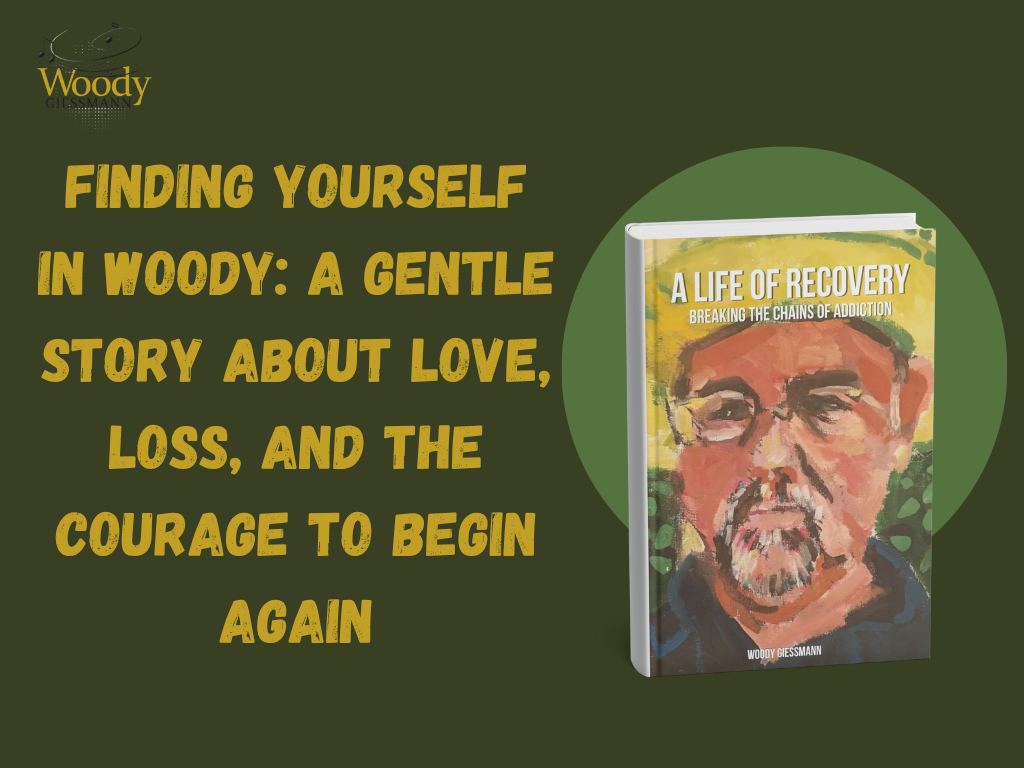
Some stories don’t shout for attention, they whisper to your heart until you can’t stop thinking about them. Woody is one of those rare books that feels both timeless and deeply personal. It’s simple on the surface, yet full of quiet beauty underneath, the kind that unfolds slowly and stays with you long after the final page.
At its core, Woody is a story about love, connection, and the endless search for belonging. It’s about what it means to find home, not just as a place, but as a feeling. Through gentle storytelling and heartfelt emotion, the author invites readers into a world that feels familiar, like returning to a childhood memory or a dream you once had and almost forgot.
This isn’t a loud story. It’s tender, patient, and deeply human. The kind of book that makes you look inward and ask, “Where do I truly belong?”
Visit: Woody Giessmann
The Soul of the Story
The beauty of Woody lies in its simplicity. The story doesn’t rely on grand twists or fast-paced drama. Instead, it moves like a soft breeze, steady and full of meaning. Woody, the main character, is more than just a figure in a story, he’s a reflection of us all.
He feels lost at times, hopeful at others. He dreams, he doubts, he learns. His journey mirrors the quiet battles we all face, the desire to be seen, to be understood, and to find a sense of purpose in a world that often feels uncertain.
The author’s portrayal of Woody feels authentic. There’s honesty in his struggles, gentleness in his hope, and courage in his persistence. You can feel his emotions in every scene. His world is painted with a soft palette, full of trees, light, memories, and fleeting moments of connection that carry deeper meaning.
It’s not just about what happens to Woody, it’s about what he feels as it happens. And that’s what makes this book powerful. It’s a story that doesn’t just tell, it makes you feel.
The emotional rhythm of the book is what stands out most. It’s quiet but never dull. Every line carries care. Every chapter feels like a step closer to understanding something universal, that we’re all searching for a place to belong, and that sometimes, the journey itself is home.
Amazon: A Life of Recovery: Breaking The Chains Of Addiction
A World That Breathes
One of the most magical things about Woody is how alive the setting feels. The author paints every scene with such care that you can see, hear, and almost touch the world Woody moves through.
The story feels grounded in nature, the sound of leaves, the hush of wind, the warmth of light filtering through branches. These small details don’t just fill space, they build atmosphere. They turn ordinary moments into something sacred.
There’s a stillness in Woody that feels almost meditative. It’s a story that teaches you to slow down. To pause and notice the world again. To listen to the quiet parts of life that we often overlook.
The writing isn’t overly descriptive, yet it captures emotion perfectly. It’s like watching a film in soft focus, where the mood speaks louder than words. You find yourself remembering your own childhood places, maybe a park, a tree, a quiet corner where you once sat and dreamed, and suddenly you feel part of Woody’s world.
The author has a gift for turning simplicity into poetry. The smallest things, a look, a gesture, a silence, hold meaning. There’s no rush to the storytelling, and that’s part of its beauty. It gives space for emotion to breathe.
Reading Woody feels like stepping into a slow, heartfelt melody. You don’t want it to end, because it feels like rest, like peace, like honesty.
Lessons That Stay With You
Every good story leaves behind something more than words, and Woody does exactly that. It’s full of lessons, quiet, unspoken, but deeply felt.
At its heart, Woody is a story about belonging. It reminds us that we all carry the same desire: to find a place where we’re accepted, where we can simply be ourselves. Woody’s journey shows that belonging doesn’t always mean being surrounded by others. Sometimes, it’s about finding that peace within yourself.
The story also touches beautifully on kindness. There’s a tenderness to the way the characters interact, a reminder that empathy doesn’t need to be loud or grand. It can be as simple as listening, caring, or offering a smile. In a world that often feels disconnected, this message feels like a quiet act of healing.
Another strong theme is resilience. Woody faces moments of doubt and heartache, but he never loses hope. His strength isn’t about power or perfection, it’s about the courage to keep going even when things are hard.
The author writes about pain without turning it into despair. Instead, they show that sadness and beauty can coexist, that loss can lead to growth, and that every ending is just another beginning.
The lessons don’t feel forced. They appear naturally, like discoveries you make while walking a familiar path. You don’t realize how much the book has affected you until you find yourself thinking about it days later, about how small things matter, how love heals quietly, and how even in stillness, there’s purpose.
Writing That Feels Like a Conversation
What makes Woody especially inviting is the tone of the writing. It feels like someone is sitting beside you, sharing a story in their own words. There’s no distance between the author and the reader. The sentences flow easily, the language is simple, and the emotion feels genuine.
There’s a casual honesty in the way the story is told. It doesn’t try to impress. It just speaks from the heart, and that’s what makes it beautiful. You can tell that every word was written with care, not to sound clever, but to connect.
The writing style is conversational but poetic at times. There’s rhythm without exaggeration, emotion without excess. It reads like a reflection, part storytelling, part meditation, part heart-to-heart talk.
That’s what makes the book so relatable. It doesn’t feel like a novel you read once and put away. It feels like a friend you revisit when you need comfort.
Why Woody Matters
In a world where everything feels fast and loud, Woody is a gentle pause. It reminds us of things we forget, how to slow down, how to care deeply, how to see beauty in simplicity.
This book matters because it celebrates emotion. It makes readers feel safe to feel. It’s not afraid of vulnerability. It teaches that strength isn’t always about being bold, sometimes it’s about staying soft when the world tells you to harden.
What makes Woody timeless is how universal it is. Whether you’re young or old, there’s something here for you. It doesn’t matter where you are in life, you’ll find pieces of yourself in Woody’s story.
You might see your younger self in his curiosity, your present self in his questions, or your future self in his hope. And that’s what makes it unforgettable.
Reading Woody is like sitting by a quiet lake at sunset. You don’t need to say anything, you just feel.
Final Thoughts
Woody isn’t just a book to read, it’s a book to feel. It’s about the parts of life we often rush past, the quiet moments, the small acts of love, the soft strength of kindness.
It’s for anyone who’s ever felt lost, who’s ever searched for a sense of home, or who simply needs a reminder that it’s okay to start over.